
What are the common types of rehabilitation programs?
What are the common types of rehabilitation programs?
Common types of rehabilitation programs include physical therapy, occupational therapy, speech-language therapy, substance use rehabilitation, and cognitive rehabilitation. Each program focuses on restoring specific abilities, such as movement, daily living skills, communication, or cognitive function, helping individuals regain independence and improve quality of life after injury, illness, or other health challenges.
Understanding the Main Types of Rehabilitation Programs
Rehabilitation programs are designed to help people recover physical, mental, or functional abilities that may have been affected by injury, illness, surgery, or addiction. While each rehabilitation program has a unique focus, they all share a common goal: helping individuals regain independence and function in their daily lives.
The most common rehabilitation programs address different areas of recovery, ranging from physical movement to communication skills and cognitive function. In many cases, multiple rehabilitation services may be used together to support a comprehensive recovery plan.
What Is Physical Therapy?
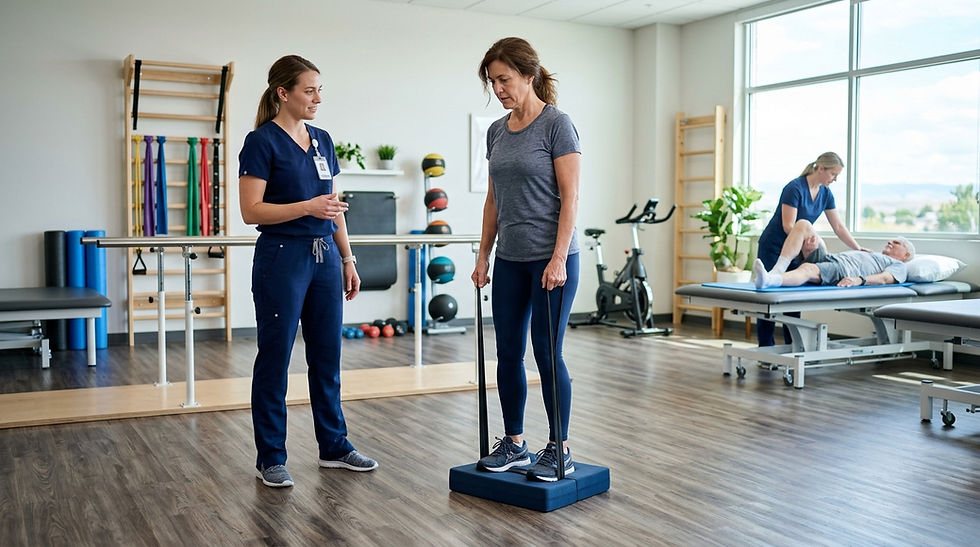
Physical therapy is one of the most widely recognized forms of rehabilitation. It focuses on improving mobility, strength, balance, flexibility, and pain management through targeted exercises and movement-based treatments.
Physical therapy may be recommended for individuals recovering from:
Auto accident injuries
Surgical procedures
Sports injuries
Chronic pain conditions
Neurological disorders
For patients in Tri-Cities, Washington recovering from injuries, physical therapy can help restore movement and improve everyday function. The goal is to safely increase mobility while reducing discomfort and supporting long-term recovery.
How Physical Therapy Supports Recovery
Physical therapists develop individualized treatment plans based on a person's specific needs. Treatment may include stretching exercises, strengthening activities, balance training, and other techniques designed to improve physical performance and reduce limitations.
How Occupational and Speech-Language Therapy Help Patients
Occupational therapy and speech-language therapy focus on helping individuals perform essential daily tasks and communicate effectively.
Occupational Therapy
Occupational therapy teaches skills that help people remain independent at home, work, and within their communities. This type of rehabilitation often assists individuals who have physical or cognitive limitations that affect everyday activities.
Occupational therapists may help patients improve their ability to:
Dress independently
Prepare meals
Bathe safely
Use adaptive equipment
Return to work-related activities
The goal is to make daily tasks more manageable and improve overall independence.
Speech-Language Therapy
Speech-language therapy addresses challenges related to communication and swallowing. Individuals recovering from neurological conditions, injuries, or illnesses may experience difficulty speaking, understanding language, or swallowing food and liquids.
Speech-language pathologists help patients improve:
Speech clarity
Language comprehension
Voice quality
Cognitive communication skills
Swallowing function
These services can play an important role in helping individuals regain confidence and improve their ability to communicate effectively.
What Are Substance Use and Cognitive Rehabilitation Programs?
Two additional rehabilitation programs focus on behavioral health and cognitive function.
Substance Use Rehabilitation
Substance use rehabilitation helps individuals address addiction and develop healthier coping strategies. Programs may be offered in inpatient or outpatient settings depending on a person's needs.
Treatment often includes:
Individual counseling
Group therapy
Behavioral therapy
Relapse prevention education
Ongoing support programs
The goal is to help individuals build skills that support long-term recovery and healthier lifestyle choices.
Cognitive Rehabilitation Therapy
Cognitive rehabilitation focuses on improving thinking skills that may be affected by brain injuries, neurological conditions, or other health issues.
Areas commonly addressed include:
Memory
Attention
Problem-solving
Organization
Executive functioning
Cognitive rehabilitation helps patients develop strategies to manage daily responsibilities more effectively and improve overall functioning.
Do Rehabilitation Programs Work Together?
Yes. Many individuals benefit from a combination of rehabilitation services. For example, someone recovering from a serious injury may participate in physical therapy to improve movement, occupational therapy to regain daily living skills, and cognitive rehabilitation to address memory or concentration challenges.
In Tri-Cities, Washington, rehabilitation providers often collaborate to create personalized recovery plans that address multiple aspects of a patient's health and well-being. By combining therapies when appropriate, rehabilitation programs can provide more comprehensive support throughout the recovery process.
Other rehabilitation services that may also be beneficial include vocational rehabilitation, which focuses on work-related skills, and recreational therapy, which uses activities and hobbies to support physical, emotional, and social well-being.
FAQ
What is the primary goal of rehabilitation programs?
The primary goal is to help individuals restore function, improve independence, and enhance quality of life after injury, illness, surgery, or addiction.
Can a person participate in more than one rehabilitation program?
Yes. Many individuals benefit from multiple rehabilitation services that address different aspects of recovery, such as physical movement, daily living skills, and cognitive function.
Who may benefit from cognitive rehabilitation therapy?
People recovering from brain injuries, neurological conditions, or cognitive impairments may benefit from therapy that focuses on memory, attention, and problem-solving skills.
Is physical therapy only for injury recovery?
No. Physical therapy may also help individuals manage chronic conditions, improve mobility, increase strength, and maintain physical function over time.
Conclusion
Common rehabilitation programs include physical therapy, occupational therapy, speech-language therapy, substance use rehabilitation, and cognitive rehabilitation. Each serves a unique purpose while helping individuals regain important skills, improve function, and maintain independence throughout recovery.


Comments